

Elevate the Ordinary
Welcome to the beginning of our journey! Here, you'll discover the fascinating world of Bonsais
and learn about our unwavering commitment to quality and exceptional service. Join us as we cultivate success
together. We’re thrilled to have you on this journey with us.
Bonsai is the timeless art of nurturing trees in miniature containers, utilizing specialized techniques to replicate the
grandeur of fully-grown, mature trees found in nature.
Junipers

Juniper is a versatile group of fragrant, resilient evergreen shrubs and trees belonging to the cypress family (Cupressaceae), widely distributed throughout the Northern Hemisphere. Recognized for their fleshy, bluish, berry-like cones, junipers are valued for use in cooking, traditional medicine, gin production, and decorative landscaping. They grow best in full sun and are well adapted to poor soils and dry, windy environments.
Flowering, and Evergreens
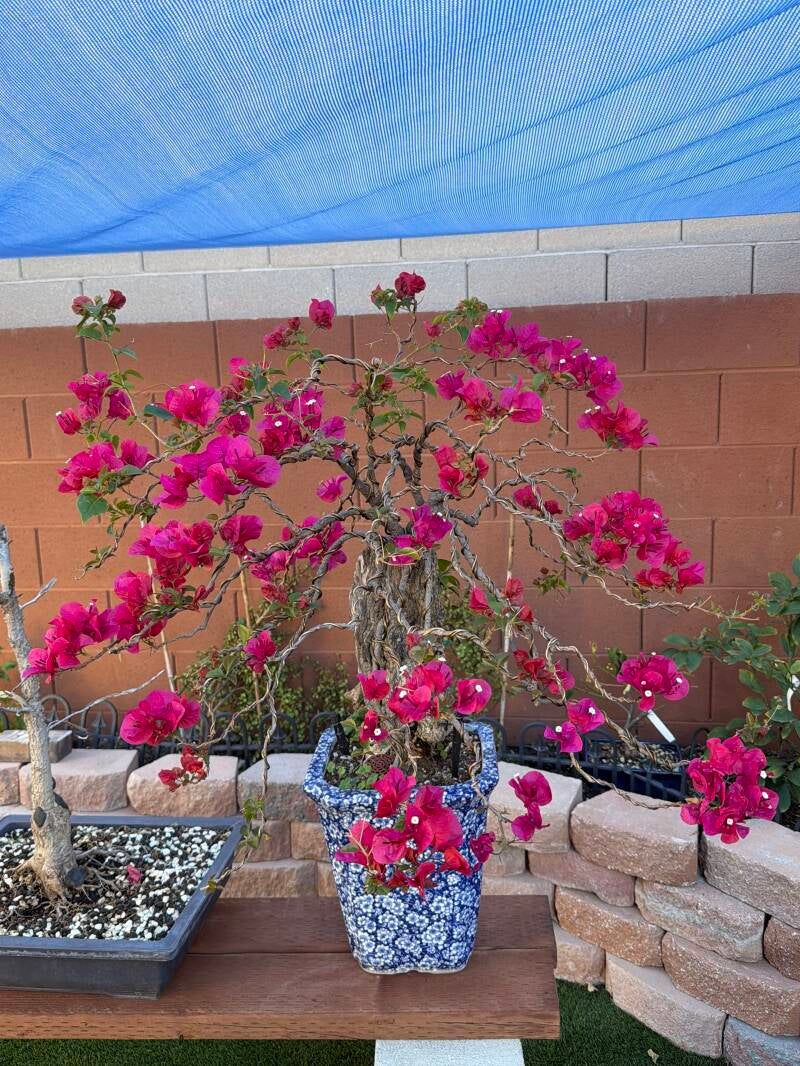
Bougainvillea's & Azalea's
Bougainvillea bonsai are cherished for their striking, paper-like bracts—modified leaves that gracefully encircle small, subtle white flowers. These vibrant plants originate from South America and were named in honor of the French explorer Louis-Antoine de Bougainville, who documented them during his 18th-century circumnavigation of the globe.
Azalea bonsai are among the most cherished flowering specimens in the art of bonsai cultivation, renowned for their stunning, abundant blooms that can envelop the tree's foliage entirely. These exquisite trees belong to the Rhododendron genus and feature a unique growth pattern, where their lower branches flourish more vigorously than the upper ones—unlike most other tree species.
Pines

Pine bonsai are regarded as the "king of bonsai" in Japan, embodying the highest expression of this art form. Unlike deciduous trees that transform with the changing seasons, pines remain evergreens, symbolizing longevity, virtue, and inner strength. Their resilience in the face of harsh winters and poor soil further enhances their significance.
- Japanese Black Pine (Pinus thunbergii): Known as "The King," it is prized for its rugged, "craggy" bark and masculine appearance. It is very hardy and responds well to needle-reduction techniques.
- Japanese White Pine (Pinus parviflora): Known as "The Queen," it has softer, bluish-green needles in clusters of five. It is considered more graceful and feminine than the Black Pine.
- Mugo Pine (Pinus mugo): A popular choice for beginners in colder climates. It is naturally shrub-like and very resilient to freezing temperatures.
Elms
Elm bonsai, especially the Chinese Elm (Ulmus parvifolia), is often regarded as the "bread and butter" of the bonsai world. They are widely recognized as an ideal choice for beginners due to their remarkable resilience, rapid growth, and ability to thrive in a variety of environments, making them one of the most adaptable tree species available.
Succulents
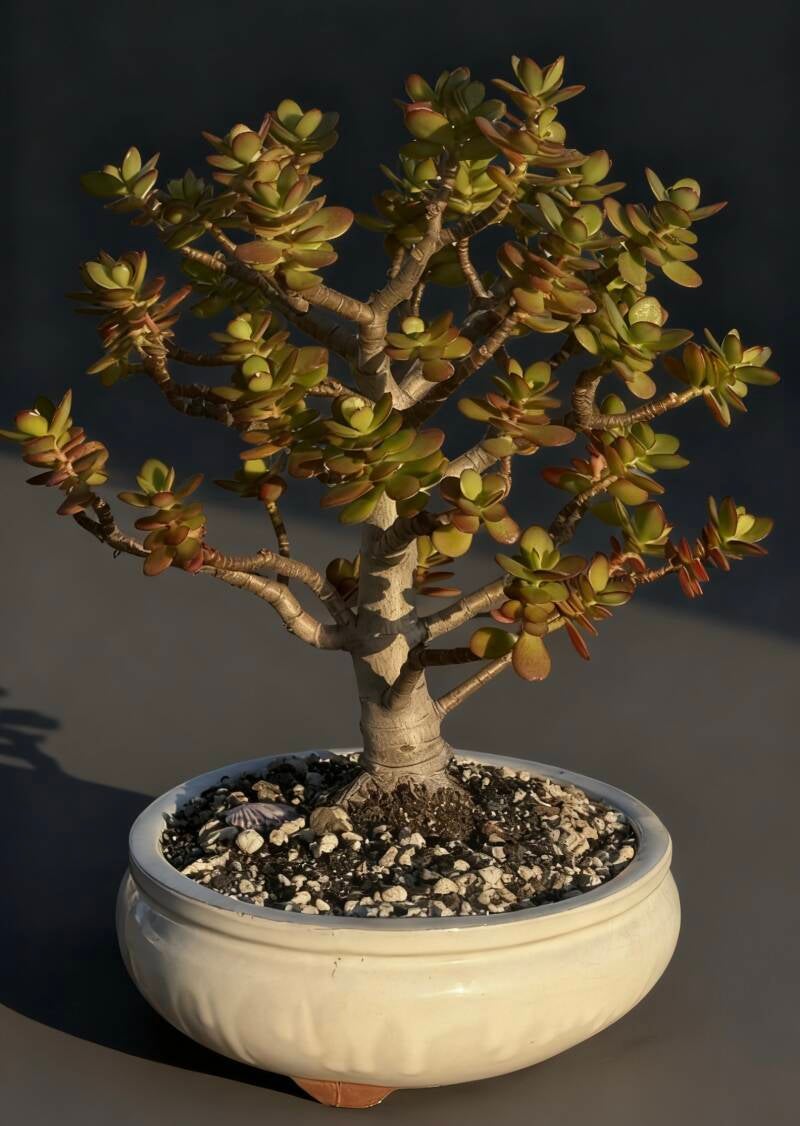
Succulent bonsai are an excellent choice for those who appreciate the beauty of bonsai trees but find traditional watering schedules challenging. Their unique ability to store water in their leaves and trunks makes them highly drought-tolerant, making them ideal for indoor environments with low humidity.